Every rod and reel behind this guide is made by Penn. The reviews are written in the first person by the shore angler behind the Arty pen name. This page explains why, then goes through the kit one piece at a time: the job it does, what published reviewers have said about it, the weak spots to know about, and why it suits someone learning on the coasts of the North West, North Wales and the North East.
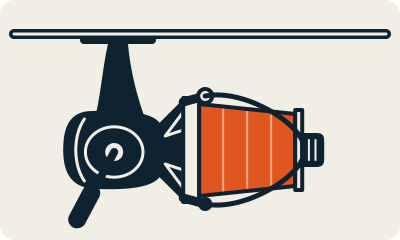
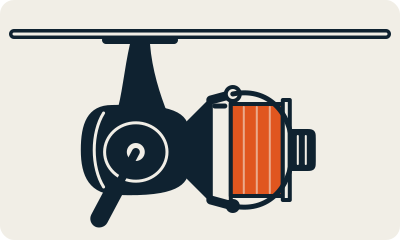
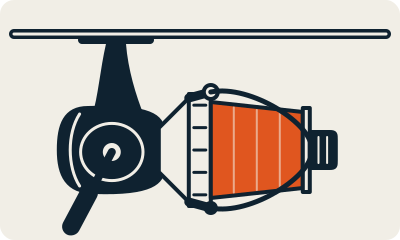
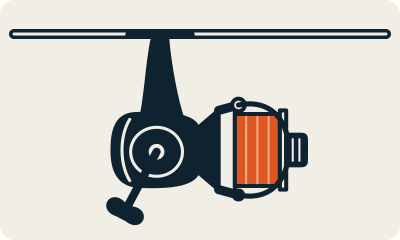
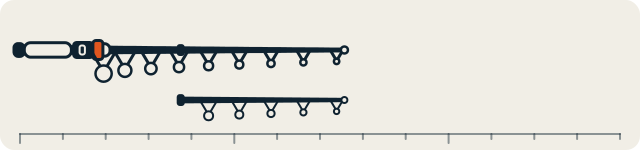
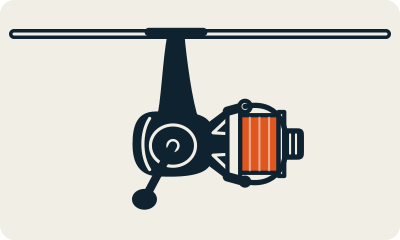
Drawings by Anglers End, not manufacturer photos. Photos of the actual kit coming soon. The rods are drawn to roughly the same scale, with a tick for every foot.
Why one brand?
I'm still fairly new to sea fishing. Most of my trips are to the Irish Sea coast, North Wales and the North East. When I started, I wanted kit that would put up with a beginner: knocked on rocks, splashed on piers, cast badly and rinsed late. Penn has a long reputation for exactly that. It's a sea fishing brand first, and its reels are built to be tough rather than light or fancy.
Staying with one maker has helped in small ways too. The drag systems feel the same from reel to reel, spare spools and parts are easy to find, and once I'd learned how one Penn reel comes apart, the others made sense.
This is one angler's choice, not a verdict on other brands. Daiwa, Shimano, Abu Garcia and others make excellent gear for every job here. You can read the general advice, with no brands, on Choosing tackle, and see how the outfits are set up on What Arty fishes with.
How these reviews work
"Watch out for" is in our own words, drawn from owners' experience and published reviews.
"Why it's right for the job" is our own opinion, written for a beginner on northern coasts.
No prices, no star ratings and no affiliate links. Penn hasn't paid for or seen this page.
Beach
A matched pair for sand and shingle: long rods and long-cast reels to put 5–6oz and bait past the surf, or drop one short into the first gutter.
Beach rod
Penn Tidal 13ft beachcaster (150–300g)
The job: casting bait and 5–6oz leads on open beaches, fished as a pair from a tripod.
Length
13ft
Casts
150–300g, as marked on my rods
Built
Carbon blank with a sensitive tip; ringed for fixed spool or multiplier
Watch out for
It isn't a specialist distance rod, and it comes alive with about 6oz rather than 4oz. The guides aren't Fuji, and one cracked in transit can fray your line until it's replaced. Run a cotton bud round every ring before you cast hard, and sight down the rod to check the rings line up.
Why it's right for the job
North West beaches are shallow, with a strong tide that needs 5–6oz of grip lead to hold, and that's the weight this rod loads best with. A forgiving tip suits someone whose casting is still coming together, and it shows the small bites that make up most winter fishing on the Irish Sea. It's sound rather than exotic, which is right for a first pair of beach rods.
Verdict: an honest all-rounder for one angler fishing two rods. A casting lesson will add more distance than a dearer blank.
Beach reel
Penn Tidal XT 7000 Long Cast
The job: the main reel on each beach rod, with 15lb mono on the main spool and 30lb braid on the spare for calm, clean beaches.
Body
Carbon body and rotor, so lighter than most long-cast Penns
Drag
Sealed HT-100 carbon drag with Quick Drag
Spools
Aluminium spare spool, plus line reducers so braid needs no backing
Line lay
Very slow oscillation for distance
Watch out for
Only the drag is sealed, not the whole reel. Fished hard for years without a service, the oscillation gear can strip, and it's much harder to take apart than older Penns. Make sure you get the XT, not the plain Tidal, which comes with fewer bearings and one spool.
Why it's right for the job
The spare spool is what makes it work on these coasts. Use mono for surf, shingle and the mixed ground off Wales and the North East, and switch to braid for calm, clean beaches where bite detection matters. The lighter weight helps on long winter sessions of casting and winding, and the drag is far stronger than any shore fish here needs.
Verdict: a modern, light Penn that most reviewers love. Rinse it gently after every trip and have it serviced every winter or two.
Rough ground
For rocky beaches and walls where 15lb line won't survive: a heavier reel loaded with 25–30lb mono, on a dedicated rough-ground rod once it arrives and on one of the beach rods until then.
Rough-ground reel
Penn Spinfisher VII 7500
The job: 25–30lb mono over rock and kelp, on the rough-ground rod below, where spray, sand and the odd knock on a boulder are part of the day.
Sealing
IPX5: proof against spray and splashes, not dunking
Body
Full metal, with a brass main gear
Drag
HT-100 carbon drag
Extras
Line clip; braid-ready spool needs no backing
Watch out for
It's heavy, the heaviest of Penn's long-cast reels. New ones can feel stiff or rough until they bed in, and older ones can be packed with grease that makes them wind stiffly at first. On any long-cast reel you should wind the spool down to the bottom of its stroke before heaving on a big fish, or you risk bending the spindle.
Why it's right for the job
Rough ground is where reels take a beating: scraped on boulders, splashed by every wave, and wound hard to lift fish clear of kelp before they can dive. Sealing is worth more here than light weight, and the weight hardly matters on a long rod that spends most of its time on the tripod. When I'm snagged, I pull for a break by hand rather than hauling on the reel.
Verdict: the toughest reel in the bag, on the job that needs it most.
Rough-ground rod
Penn Tidal 423 Rough Ground (100–250g)
The job: a dedicated rod for rock and kelp marks, paired with my Spinfisher VII 7500. It's just arrived, so a proper verdict will follow once it has seen some rock marks.
Until now I've swapped the heavy reel onto one of my beach rods for rough ground. A rod built for it should be stiffer, which is what you want for bullying a fish up and out of the kelp before it can dive, and a 100–250g rating suits the 5–6oz plain leads I use over rock. It also frees both beach rods to stay on clean ground.
Verdict: not fished yet. I'll add my own notes once it's been out on the rocks.
Pier and sea wall
A shorter, lighter rod is easier on a crowded pier or a high wall. It still casts 3–5oz and lifts a string of mackerel.
Pier rod
Penn Prevail III SW Spin (75–150g)
The job: feathers, float and light ledgers from piers and walls, with 30lb braid and a long mono leader.
Casts
75–150g
Lengths
Sold at 2.40m and 2.70m; check the butt
Built
Fast-action graphite blank, stainless guides, two pieces
Watch out for
Light tips can snap. Braid from height has no stretch, so a heavy fish lifted up a wall on the line can break a rod. Use a drop net.
Why it's right for the job
Northern piers and harbour walls, from Whitehaven to Llandudno to the Tyne, mean fishing among other people, often from height. A rod around 8–9ft is far easier to handle there than a 13ft beachcaster, and 75–150g covers feathers, a float and 3–5oz ledgers. It also doubles as a light uptide rod on a boat in shallow water.
Verdict: the right length and power for piers and walls. It hasn't been reviewed in its own right, so this one rests on the job, not the press.
Pier reel
Penn Spinfisher 750SS
The job: 30lb braid on the pier rod, for feathers, float and ledger from a wall.
Type
Big, classic fixed spool from Penn's older Spinfisher SS range
Line
Deep spool that takes heavy mono easily
Sealing
Not sealed
Why it's right for the job
Pier and wall fishing is mostly feathers, a float or a ledger dropped close in, so a big, simple reel with plenty of line is all it needs. It's heavy for casting lures all day, so on lure days I take the travel rod instead.
Verdict: an old reel doing an honest job until it earns a replacement.
Lures
A packable rod and mid-size reel that live in the car for bass at first light, wrasse on soft plastics or mackerel when they show.
Travel lure rod
Penn Squadron III Travel SW Spin (15–40g)
The job: metals, shads, surface lures and Texas rigs from 15g to 40g, on PE 1.0–1.5 braid.
Casts
15–40g
Built
24T carbon, progressive action, saltwater-proof guides, EVA grips
Packs
Multi-section travel rod that fits in a car boot or a case
Watch out for
The cloth bag gives little protection, so a hard tube is worth it for a rod that lives in the car. Sight down the guides before you buy, because a bent tip ring sometimes turns up on light rods.
Why it's right for the job
The best lure fishing on these coasts happens at odd hours and odd places: a dawn session at a North Wales rock mark, mackerel off a North East pier, a quick look at a harbour on the way home. A rod that's always in the car gets used far more than a better one left at home. 15–40g covers most UK bass and wrasse lures without being too stiff for small fish.
Verdict: a go-anywhere rod. Its value is in being there when the fish are.
Lure reel
Penn Fierce IV 4000
The job: the reel for the travel rod, carrying fine braid and a fluorocarbon leader for lures.
Body
Full metal body and side plate
Drag
HT-100 carbon drag
Bearings
Sealed, new on this generation
Retrieve
6.2:1
Watch out for
It's heavier and a little less smooth than some rivals at a similar level, and it isn't a finesse reel. The body isn't sealed: there's no seal on the side cap, and the holes in the spool can let splashed water down the main shaft. Keep it out of the surf and rinse it after every trip.
Why it's right for the job
A lure reel that lives in the car gets knocked about, so a metal body that keeps the gears aligned matters more than shaving grams. A 4000 balances a 15–40g rod and holds plenty of PE 1.0–1.5 braid for a bass that runs. For a beginner it's simple: nothing to go wrong that a rinse and a drop of oil won't fix.
Verdict: plain, strong and good value. Treat it as splash-shy.
LRF
Light rock fishing: tiny jig heads and drop-shot rigs round harbours and walls, where small fish become real sport.
LRF rod
Penn Rampage II Twin Tip LRF
The job: lures too light for the travel rod, with a fine tip for jig heads and drop-shot and a stronger tip for small metals. Newly bought, and on its way to me.
Casts
5–21g on my rod. Shops list some versions with tips of 0.5–5g and 5–12g, so check yours
Tips
Two interchangeable tips
Line
PE 0.4–0.6 braid, 4–8lb fluorocarbon leader
Watch out for
Twin-tip rods are a compromise: neither tip is quite as good as a dedicated rod. The finer tip will snap if it's used to bully a fish or bounce heavy metals. Keep the heavy lures for the stronger tip.
Why it's right for the job
LRF is the cheapest, easiest way to catch fish year round in northern harbours: pouting, small pollack, mackerel, garfish and the odd mullet. The fish are small, so the rod has to be light enough to feel them. Two tips cover a jig head in a harbour corner and a small metal for mackerel, all in one tube, which suits a beginner trying the style out.
Verdict: unreviewed, so no borrowed praise here. It earns its place by opening up harbour fishing.
LRF reel
Penn Battle IV 2000
The job: the light reel for the LRF rod, carrying fine braid with the drag set light.
Body
Full metal body, sideplate and rotor
Drag
HT-100 carbon drag
Sealing
Not sealed, so rinse after every sea session
Watch out for
Metal bodies weigh more than carbon ones, so the outfit is a touch heavier in the hand than the lightest LRF set-ups. It isn't sealed, so salt spray and the odd dunking need a gentle freshwater rinse and a dry afterwards.
Why it's right for the job
Harbour walls, ladders and rocky edges are hard on light reels. A metal body that shrugs off a knock suits a beginner far better than a featherweight reel that needs babying, and on 6lb braid with a light drag it has strength to spare.
Verdict: a tough, honest light reel. Rinse it and it will last.
Boat
Boat fishing is outside the main scope of this guide, but for completeness, these are the outfits I take on charter trips, from light inshore days to wrecks and big fish.
Light boat rod
Penn Long Beach 7ft boat rod (12–20lb)
The job: light inshore fishing for bream, rays, plaice, gurnard and mackerel on neaps and slack water, with 4–8oz leads.
Length
7ft
Class
12–20lb
Watch out for
A 12–20lb rod is a light-tide tool. Overload it with heavy leads in a strong run of tide and it stops being fun and starts being risky for the rod.
Why it's right for the job
Most fish caught inshore are small to medium. A light-class rod lets them fight, and it shows bites clearly. Using only the lead you need to hold bottom is the best habit a new boat angler can learn, and this rod rewards it.
Verdict: fine for its narrow job on gentle tides. No reviews to lean on.
Light boat reel
Penn Fathom 15 LW (star drag)
The job: the main reel for the light boat rod, carrying metered braid that the level-wind lays on evenly.
Type
Star-drag multiplier with a level-wind
Size
15, a light-to-middle class inshore size
Leads
Happy from about 4oz to 12oz
Watch out for
A level-wind is one more moving part that salt can gum up. Rinse it gently after every trip and put a drop of reel oil on the worm gear now and then. Don't thumb the line hard against the guide while dropping, or the line can jump the guide.
Why it's right for the job
On a boat you drop and wind all day. A level-wind spreads the braid evenly every time, so the colour marks stay true and the spool never piles up on one side and jams. That's one less thing for a beginner to think about, and a star drag is the simplest drag there is to learn on.
Verdict: the right reel for the light boat rod. It earns its keep from the first drop.
Swap reel: kayak and a second light rod
Penn Long Beach 60
The job: a small star-drag multiplier that goes on the light boat rod for the kayak, or on the general boat rod as a light rod for a friend.
Type
Classic Penn star-drag multiplier with a clicker
Level-wind
None; guide the line on with your thumb
Age
A long-running design, no longer made new
Watch out for
It's an old design. Second-hand reels can have sticking drag washers or corrosion from years without a rinse, so check the drag, free spool and side plates. With no level-wind, uneven line lay will cause trouble if you don't guide it.
Why it's right for the job
A simple star-drag reel teaches the basics of boat fishing: free spool, thumb control and setting a drag. It has very few parts to go wrong, and Penn's old reels are famously easy to strip and grease. For a kayak, where leads are light and a reel might get dunked, a simple, cheap-to-replace reel is exactly right.
Verdict: old, simple and still capable. Give it a winter service and it'll keep going.
General boat rod
Penn Regiment II boat rod (15–40lb)
The job: the general boat rod for rays, hounds and huss, and for pulling ling, cod and conger out of wrecks and reefs, with 50lb braid.
Class
15–40lb, as marked on my rod
Leads
Up to about 12oz–1lb
Watch out for
On big spring tides or deep wrecks that need more than about 1lb of lead, a rod in this class struggles. Move up to the heavier rod below.
Why it's right for the job
A 15–40lb rod paired with a 4/0 reel is the classic all-round charter outfit around the UK. It's strong enough for structure and still pleasant on lighter tides. For a beginner, one dependable middleweight outfit covers most charter days.
Verdict: the middle of the boat range, with no reviews to report.
General boat reel
Penn Senator 113 (4/0)
The job: the 30lb-class reel for the general boat rod, with a mono backing under 50lb braid.
Type
Classic Penn star-drag multiplier, 4/0 size
History
The Senator line dates back to 1936
Note
Several versions exist (standard, high-speed, US Senator), each with different figures
Watch out for
It's big and heavy, and the harness lugs can get in the way when thumbing the spool. Put a mono backing on the bare spool before the braid, or the braid will slip under load.
Why it's right for the job
The Senator is about as simple as a reel gets, and that's its strength on a boat. There are few parts, parts are easy to find, and it can be stripped, greased and reassembled at home. A 4/0 is the traditional size for UK wreck and reef fishing, so skippers and tackle shops all know it.
Verdict: a classic for a reason. Service it each winter and back the drag off in storage.
Heavy boat rod
Penn Rampage boat rod (30–50lb)
The job: heavy leads on big tides and deep wrecks, and targeted trips for big conger, tope and blue shark, all released.
Class
30–50lb
Built
Slim carbon blank, designed for braid
Range
Also made in 12/20 and 20/30 classes
Watch out for
Heavy-class rods are hard work for a whole day if the tide doesn't need them.
Why it's right for the job
Deep water and big tides need a rod that copes with a pound or two of lead without folding up. A slim, braid-friendly blank keeps the bites visible even at that weight. Saving it for the days that need it, and fishing lighter the rest of the time, is the sensible way to use it.
Verdict: the heavy hitter, well regarded across its range.
Big-fish reel
Penn Senator 114H (6/0 high speed)
The job: the 50lb-class reel for the heavy rod, on targeted big-fish trips only.
Type
Star-drag multiplier, 6/0 size, high-speed version
Built
Metal spool, bronze and stainless gears, clicker, harness lugs
Watch out for
Older drags can stick or snatch, which is the last thing you want with a big fish on. It's heavy, so a butt pad or rod belt helps.
Why it's right for the job
Big conger, tope and blue shark need line capacity and a drag that stays smooth for a long fight. A 6/0 Senator has both, and the high-speed version gets line back quickly from deep water. Unhook tope and sharks in the water with a circle hook and a T-bar. It's illegal to land a rod-caught tope in England.
Verdict: a specialist reel with a long track record. Check the drag before every big trip.
Disclosure
Independent, not sponsored
This page is independent. Penn hasn't sponsored, paid for or reviewed it, and nobody has paid for a mention.
There are no affiliate links. If that ever changes, we'll say so clearly on the page.
Everything here is in our own words. No quotes have been made up, and no star ratings added.
No prices are given because they change constantly. Check a few shops before you buy.
Specs come from Penn's own videos, shop staff and retailer listings. Models change, so check the maker's page for the exact version you're looking at.
Sources
Specs come from Penn and retailer listings. See also our Disclaimer.