
25 sea fish
Species
The fish you're most likely to catch from the British shore and inshore boats: how to recognise each one, when it's in, the bait and rig to use, its legal size and whether it's worth taking home.
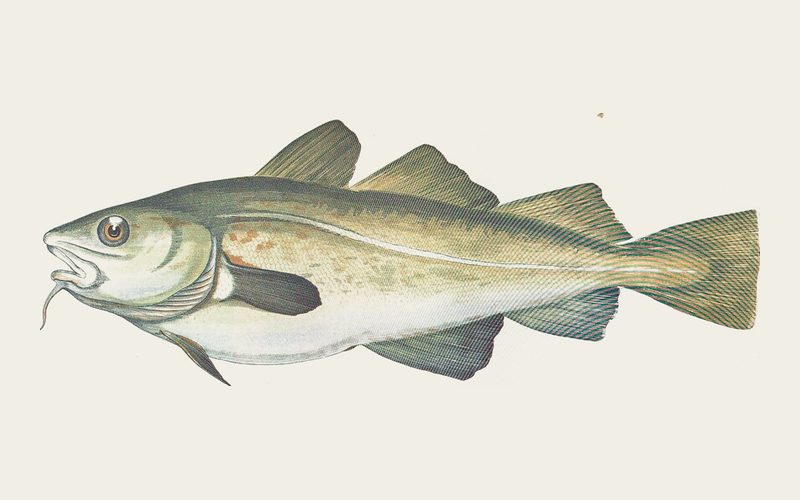
Round fish
Cod and codling
Excellent eating
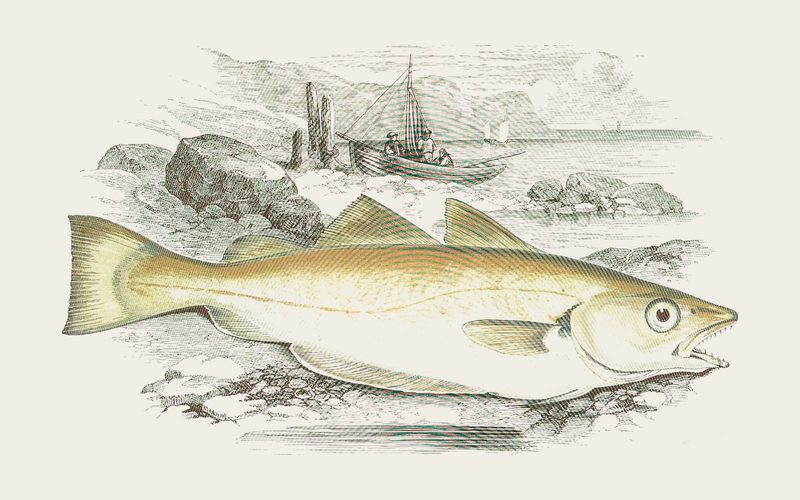
Round fish
Whiting
Good eating
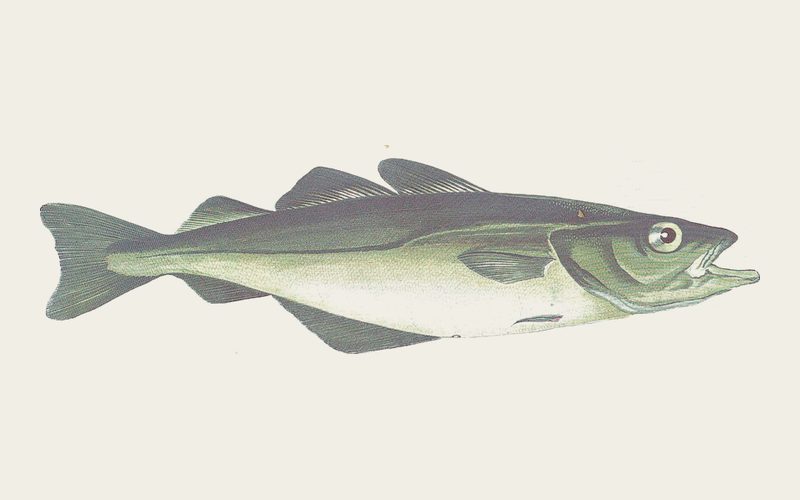
Round fish
Pollack
Good eating
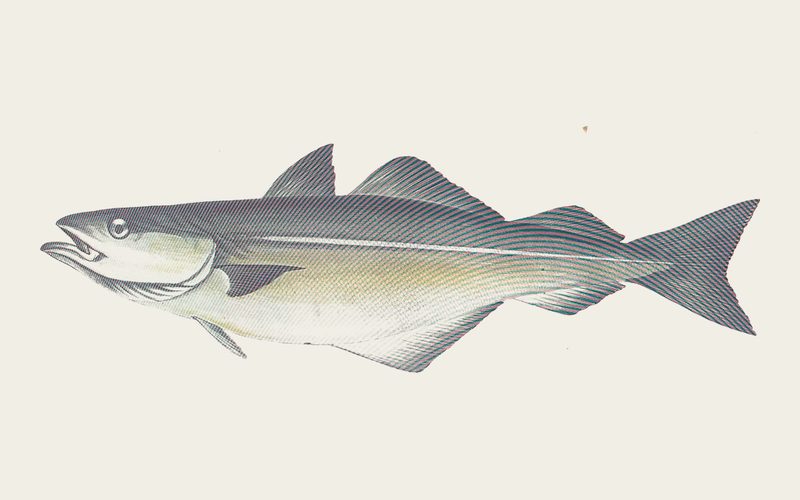
Round fish
Coalfish (saithe)
Good eating
Round fish
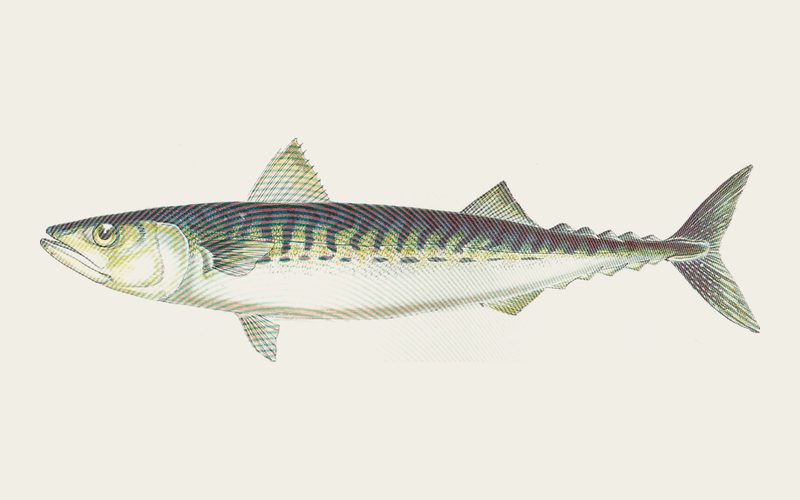
Mackerel
Excellent eating
Round fish
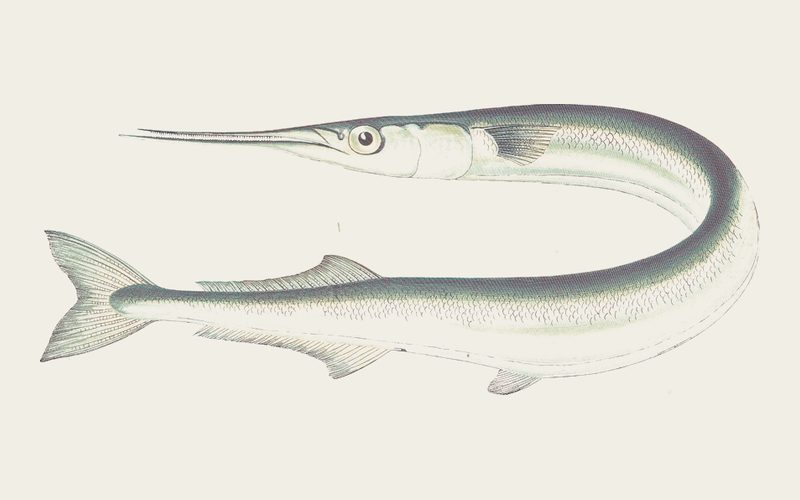
Garfish
Good eating
Round fish
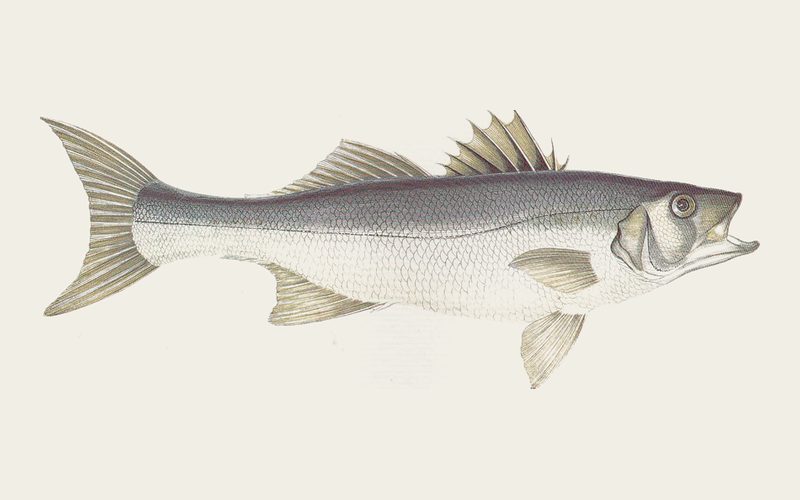
Bass
Excellent eating
Round fish
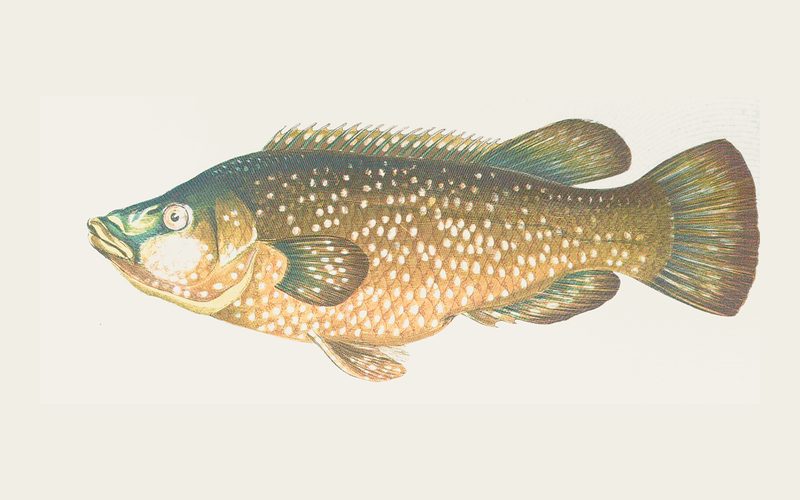
Ballan wrasse
Return it
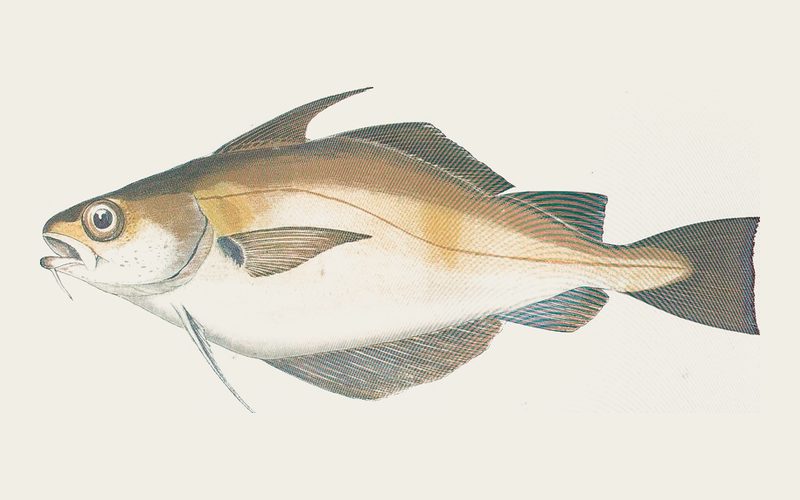
Round fish
Pouting
Fair eating
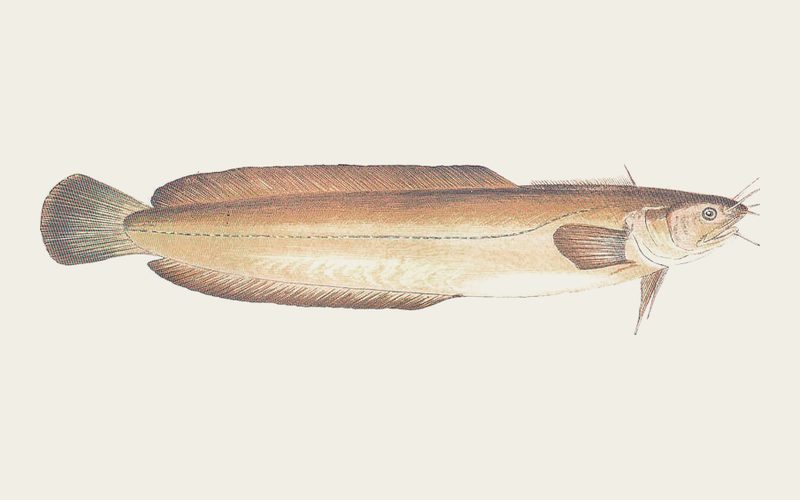
Round fish
Rockling
Return it
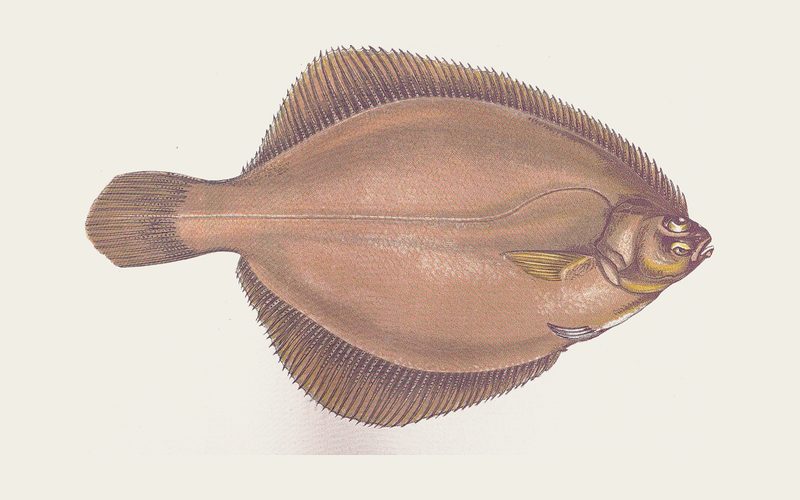
Flatfish
Dab
Excellent eating
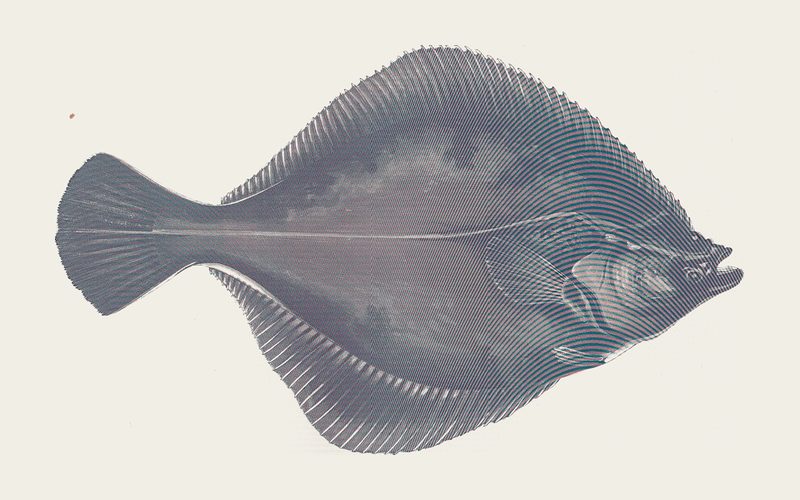
Flatfish
Flounder
Good eating
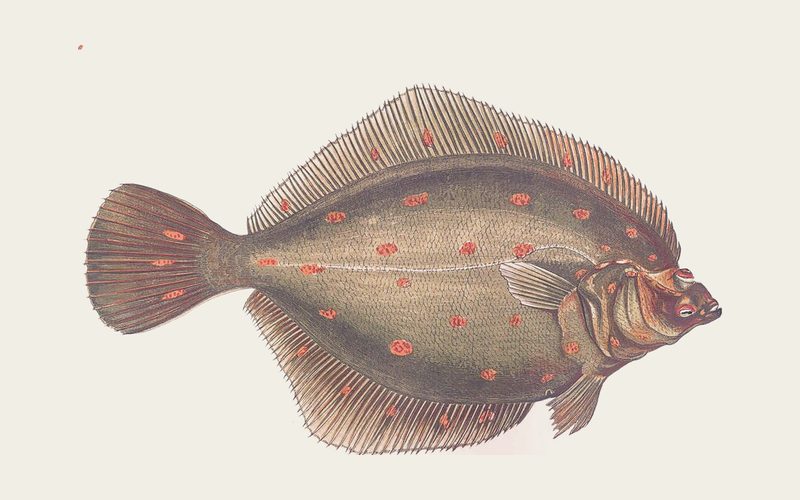
Flatfish
Plaice
Excellent eating
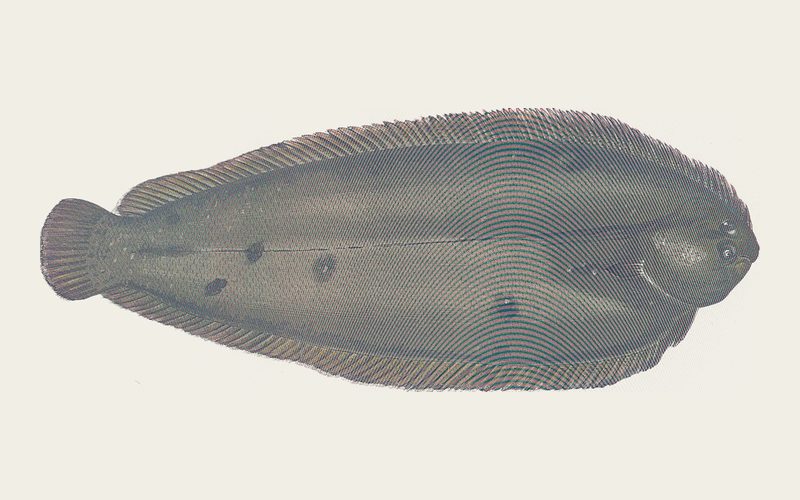
Flatfish
Dover sole
Excellent eating
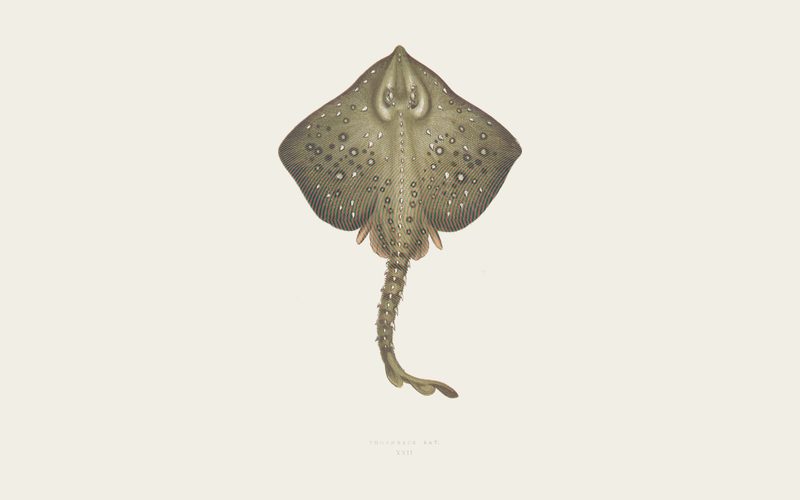
Rays and sharks
Thornback ray
Excellent eating
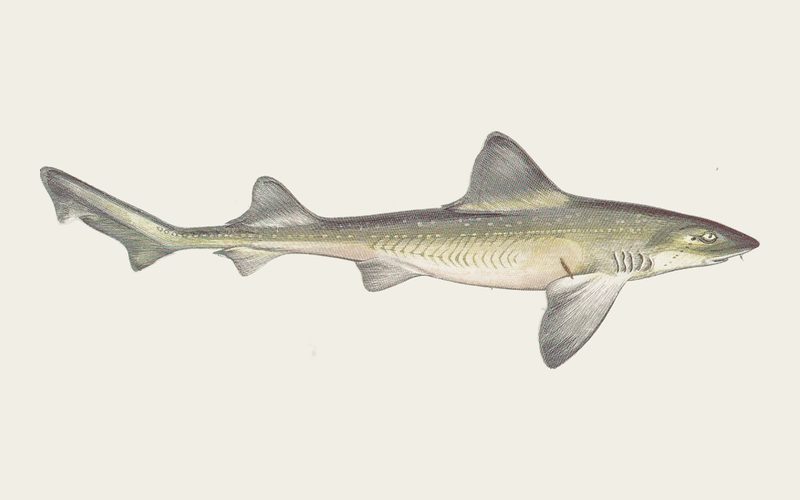
Rays and sharks
Smoothhound
Good eating
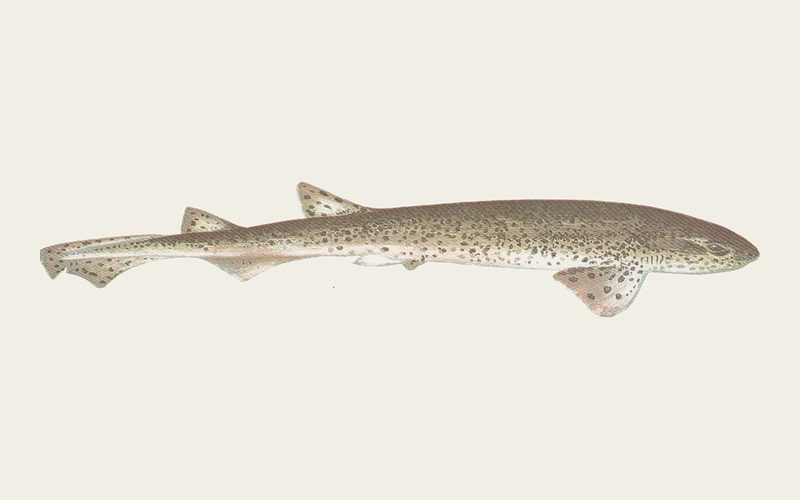
Rays and sharks
Lesser spotted dogfish
Good eating
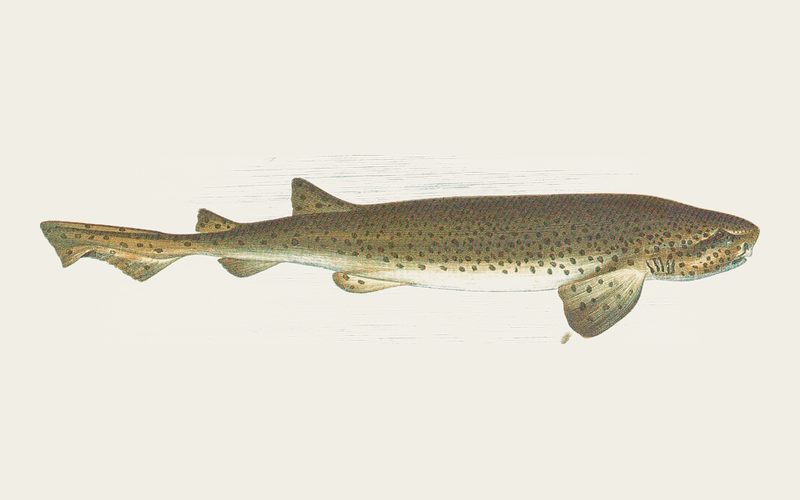
Rays and sharks
Bull huss
Good eating
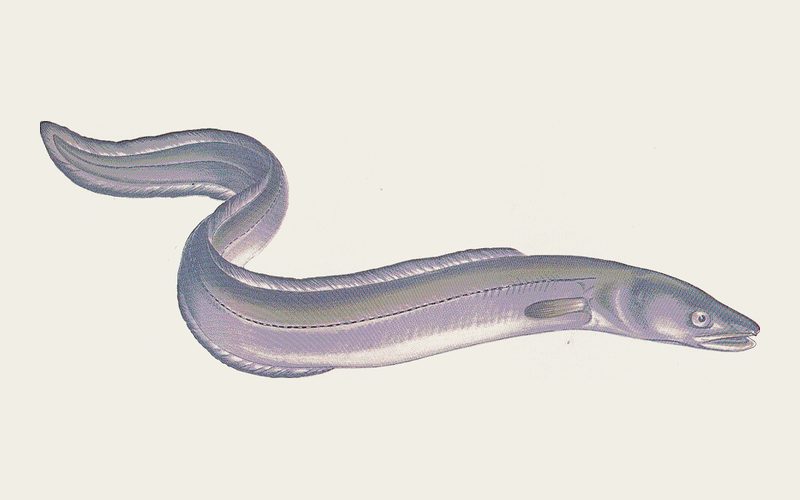
Eels
Conger eel
Fair eating
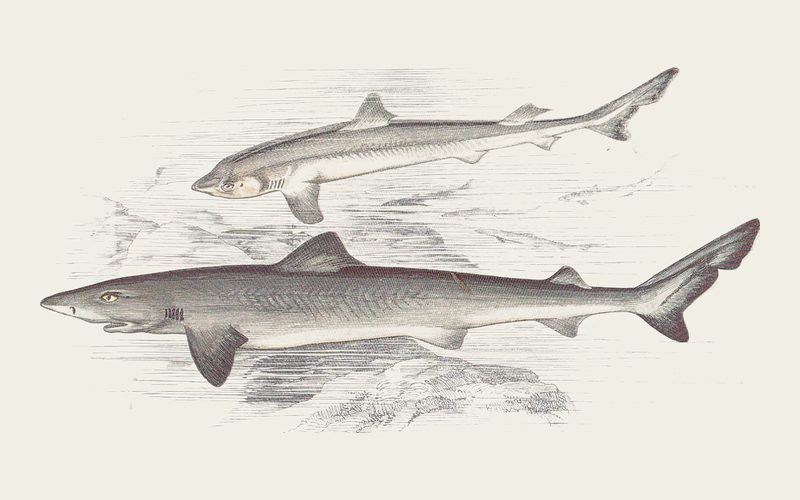
Rays and sharks
Tope
Return it
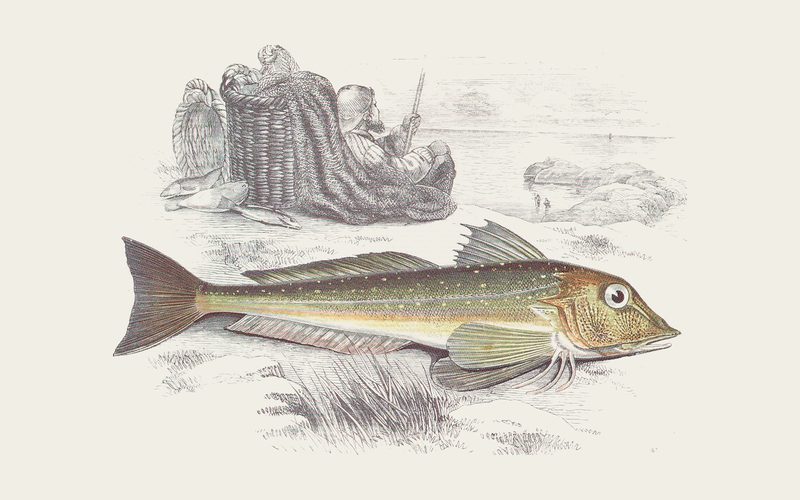
Round fish
Gurnard
Good eating
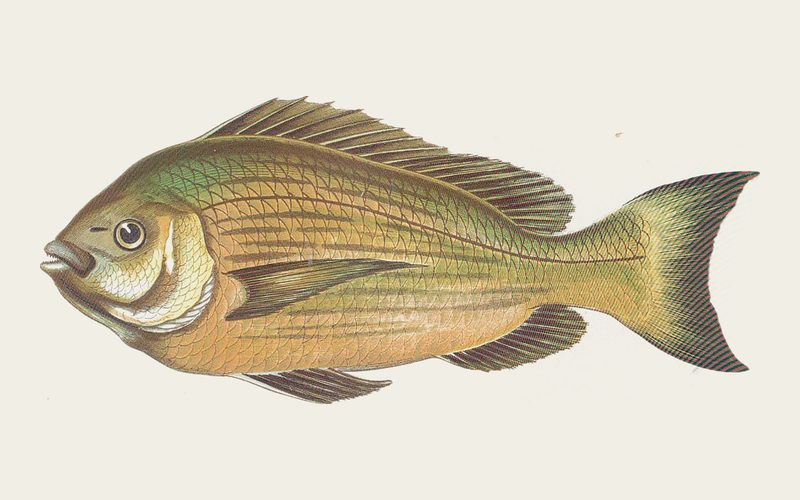
Round fish
Black bream
Excellent eating
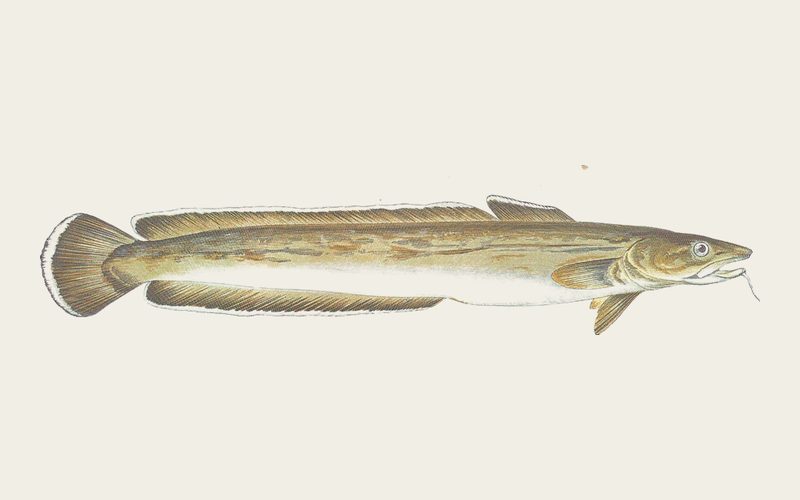
Round fish
Ling
Good eating
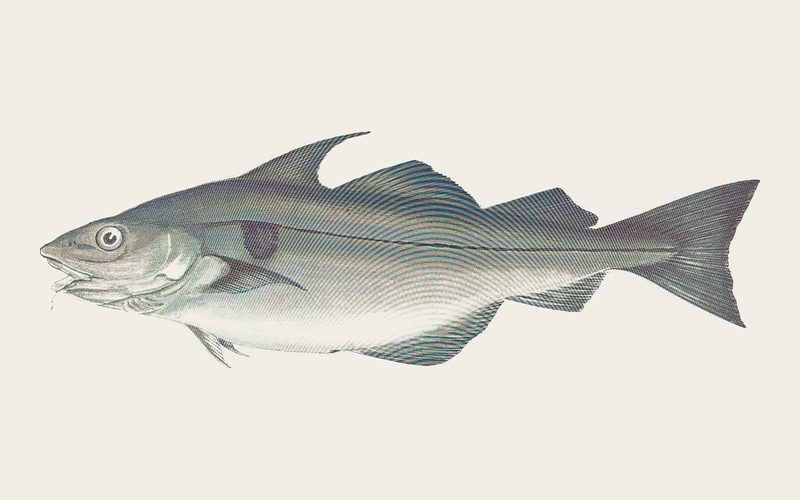
Round fish
Haddock
Excellent eating
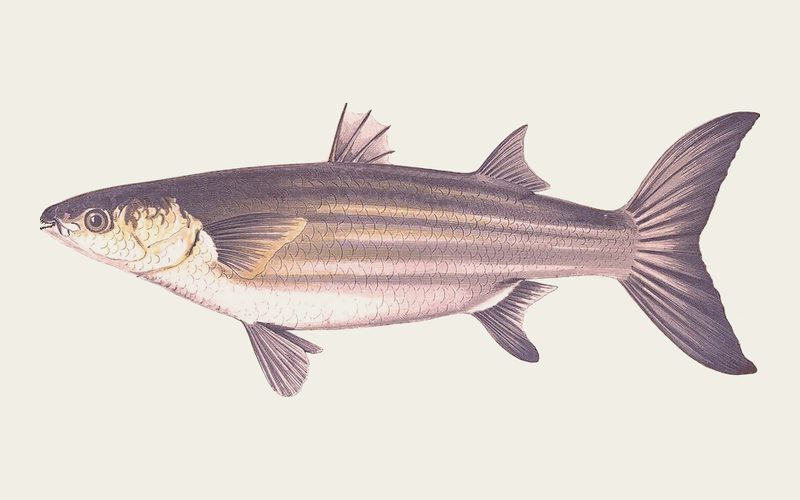
Round fish
Thick-lipped mullet
Fair eating
Species tips
Hard-won tips for particular fish, from anglers who catch a lot of them.
Smoothhound
Peeler crab is the bait, on a strong 4/0 and at least a 40lb trace. Fish the drag light or the reel on the ratchet: a hound will pull a rod in. Calm, muggy evening floods on big tides are best.
Wrasse
Fish straight down the rock face with a tight drag and strike firmly, or they bury you in the kelp. Use scrap weights (old nuts or spark plugs) and expect to lose some. Half a worm on a size 4 is plenty.
Piers
Drop a bait straight down the side first: fish moving along the coast have to swim round the pier. Where boats unload, the washings act as natural groundbait. Propeller wash scours holes at the foot of harbour steps, which conger love.
Conger from the shore
A mackerel head is the bait: crabs take ages to get through it. Use 100lb or more next to a wall, as the fish heads straight back for its hole. Leave the reel out of gear with the ratchet on, or a fixed spool's drag loose, so a conger can't pull the rod in.
Garfish
A thin strip of mackerel belly under a float. If they won't take a still float, cast out and wind it back slowly.
Mullet
Crumble white bread from the middle of the slice and throw in loose balls so it clouds. Look for feeding fish in the shallows at low tide. If the gulls get the bread, try tiny pieces of rag on a size 10.
Pollack under a float
Prawn out-fished mackerel strip by about twelve to one for small pollack and coalfish, set just above the kelp. Use a hooklength lighter than the leader, so a snag costs only the hook.
Coalfish or pollack?
A coalfish has a straight, pale lateral line, a smaller eye and a level jaw. A pollack's lateral line curves over the pectoral fin and its lower jaw juts out.
Dogfish
Bigger hooks and baits help, but don't stop them: a dogfish will happily take a whole squid on a 4/0. They're good eating, skinned.
From sea to plate
The difference between a good fish supper and a poor one is mostly made in the first hour after you catch it.
1 · Kill it quickly
Use a firm blow to the top of the head behind the eyes with a priest, as soon as you decide to keep a fish. It's kinder, and stress spoils the flesh.
2 · Bleed it
Cut through the gill rakers on one side and leave the fish head-down in a bucket of seawater for a few minutes. Bled fillets are whiter and keep longer. This matters most for pollack, coalfish, bass and mackerel.
3 · Get it cold
Use a cool box with ice packs or ice, not a bag on warm shingle. Mackerel and other oily fish must go straight on ice. Warm mackerel can cause scombroid poisoning, which cooking doesn't prevent.
4 · Gut it the same day
Gut before you leave the beach if you can, and rinse the cavity in seawater. Whiting, pouting and mackerel soften within a day. Cod, flatfish and bass keep two or three days in the fridge.
5 · Check for worms
Cod, whiting, mackerel and coalfish can carry small parasitic worms in the belly flesh. Trim the belly and look over the fillets. Cooking right through kills them. For anything eaten raw or lightly cured, freeze it first (−20°C for at least 24 hours).
6 · Skin the sharks and rays
Dogfish and huss: cut round behind the head, then pull the skin off tail-wards with pliers. Rays: eat the wings, skinned. If a ray smells of ammonia, it's past its best.
Freezing
Freeze fillets flat in bags with the air squeezed out, labelled with the date. White fish keeps about 6 months, oily fish about 3. Bait goes in a separate freezer drawer.
Filleting
A cheap, flexible 8in filleting knife and a steady board are all you need. Run the knife along the backbone with long, shallow strokes, keeping the blade flat against the bones.
Boneless mackerel
Cut down either side of the line of pin bones and lift that strip out, leaving two boneless fillets. Lovely soused in vinegar or grilled.
Descaling
Scale bass and bream outside: soften them in a bucket of water, then scrape from tail to head with the back of a knife.
Take only what you'll eat
Legal size is the minimum, not the target. Return big breeding fish where you can, and never sell what you catch (see Rules).